
String Quilt Block Pattern is a timeless quilting technique that continues to inspire beginners and experienced quilters alike. The String Quilt Block Pattern is known for its creative freedom, scrap-friendly nature, and visually striking results. From traditional designs to modern interpretations, this pattern allows quilters to transform leftover fabric strips into meaningful and beautiful quilt blocks that tell a story through color, texture, and craftsmanship.
The appeal of the String Quilt Block Pattern lies in its accessibility and versatility. Unlike highly structured quilt blocks, string blocks encourage experimentation and personal expression. Quilters can mix fabrics, play with contrast, and adapt the block to countless quilt layouts. Because it uses fabric strings of varying widths and lengths, this pattern is ideal for reducing waste while still achieving a polished and artistic finish.
Another reason the String Quilt Block Pattern remains popular is its adaptability to different skill levels. Beginners appreciate the forgiving construction and the opportunity to practice straight stitching, while advanced quilters enjoy pushing boundaries with complex color schemes and innovative layouts. As a result, this pattern has secured its place as a staple in quilting traditions worldwide.
Understanding the String Quilt Block Pattern Basics
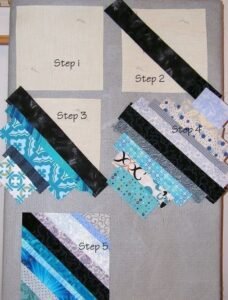
The String Quilt Block Pattern is built using narrow fabric strips, often sewn onto a foundation. This foundation can be fabric, muslin, or even paper, depending on the quilter’s preference. The process begins by anchoring a central strip and then adding additional strings on each side, creating a layered and dynamic block.
One of the defining features of the String Quilt Block Pattern is its improvisational nature. While there are guidelines, exact measurements are not always required. This flexibility allows quilters to focus on color balance and texture rather than precision alone, making the creative process more enjoyable and less restrictive.
Color placement plays a crucial role in the final appearance of a String Quilt Block Pattern. Light and dark fabrics can be alternated to create movement, while monochromatic schemes offer a modern and cohesive look. Understanding color theory enhances the visual impact of the finished quilt.
Foundation choice is another important consideration in the String Quilt Block Pattern. Fabric foundations provide softness and durability, while paper foundations offer stability and accuracy. Each option has benefits, and the choice often depends on personal workflow and project goals.
The size of the block can be easily adjusted in a String Quilt Block Pattern. Smaller blocks are perfect for detailed designs, while larger blocks showcase bold fabric choices. This adaptability makes the pattern suitable for quilts, wall hangings, and even quilted accessories.
Finally, trimming is essential to achieving clean edges in a String Quilt Block Pattern. After sewing the strings, the block is squared up to the desired size. This step ensures consistency when assembling multiple blocks into a quilt top.
Materials and Tools for a String Quilt Block Pattern
Choosing the right materials enhances the success of any String Quilt Block Pattern project. Fabric strings can come from scraps, jelly rolls, or freshly cut strips. Cotton fabric is most commonly used due to its stability and ease of handling.
A reliable sewing machine is key when working on a String Quilt Block Pattern. Straight stitching is the primary technique, so consistency and smooth feeding of fabric are more important than decorative stitches. A quarter-inch presser foot can help maintain even seams.
Cutting tools also matter when preparing a String Quilt Block Pattern. Rotary cutters, self-healing mats, and clear rulers make it easier to cut strips efficiently. While exact widths are not mandatory, clean cuts contribute to a neater finish.
Thread choice should complement the fabric selection in a String Quilt Block Pattern. Neutral threads blend seamlessly, while contrasting threads can add subtle texture and interest. High-quality thread reduces lint buildup and improves stitch quality.
Pressing tools play an important role in shaping a String Quilt Block Pattern. An iron and pressing surface help flatten seams and maintain block accuracy. Pressing after each addition keeps the block smooth and manageable.
Optional tools, such as seam rollers or fabric glue sticks, can simplify the construction of a String Quilt Block Pattern. These tools are especially helpful when working with narrow strings or delicate fabrics that shift easily during sewing.
Design Variations and Creative Uses
The String Quilt Block Pattern offers endless design possibilities. Traditional layouts often feature a central diamond or vertical strip, while modern designs experiment with asymmetry and bold angles. Each variation brings a unique personality to the quilt.
Strip width variation is a simple way to add interest to a String Quilt Block Pattern. Mixing narrow and wide strings creates texture and visual rhythm. This technique allows scraps of all sizes to be incorporated effectively.
Color-focused designs elevate the String Quilt Block Pattern even further. Gradients, rainbow arrangements, and high-contrast pairings can transform a simple block into a striking focal point. Thoughtful color placement enhances depth and cohesion.
Beyond quilts, the String Quilt Block Pattern is ideal for smaller projects. Pillow covers, table runners, and tote bags benefit from the pattern’s durability and visual appeal. These projects are perfect for practicing techniques on a smaller scale.
Modern quilting embraces the String Quilt Block Pattern for its improvisational spirit. Negative space, minimal palettes, and oversized blocks are popular adaptations that align with contemporary aesthetics.
Storytelling is another creative aspect of the String Quilt Block Pattern. Using fabrics from past projects or meaningful garments adds sentimental value. Each block becomes a visual memory stitched together with intention.
Tips for Perfecting Your String Quilt Block Pattern
Accuracy improves with practice when working on a String Quilt Block Pattern. While the design is forgiving, consistent seam allowances lead to blocks that assemble smoothly. Taking time to align strips before stitching makes a noticeable difference.
Pressing direction matters in a String Quilt Block Pattern. Pressing seams open reduces bulk, while pressing to one side can add structure. Choosing the right approach depends on fabric thickness and personal preference.
Managing fabric bias is important for maintaining shape in a String Quilt Block Pattern. Since strips may be cut at various angles, gentle handling prevents stretching and distortion during sewing and pressing.
Trimming blocks carefully ensures uniformity in a String Quilt Block Pattern quilt. Using a square ruler helps achieve precise edges, making the final assembly easier and more professional-looking.
Batch sewing speeds up the process when creating multiple String Quilt Block Pattern units. Preparing several foundations at once and sewing in stages improves efficiency without sacrificing quality.
Finally, embracing imperfections is part of the charm of the String Quilt Block Pattern. Small variations add character and authenticity, reflecting the handmade nature of the quilt and the creativity of its maker.
FAQ
What is a String Quilt Block Pattern
A String Quilt Block Pattern is a quilting technique that uses narrow fabric strips sewn onto a foundation to create a textured and visually dynamic block.
Is the String Quilt Block Pattern beginner-friendly
Yes, the String Quilt Block Pattern is ideal for beginners because it allows flexibility and does not require precise measurements.
What fabrics work best for a String Quilt Block Pattern
Cotton fabrics are most commonly used in a String Quilt Block Pattern due to their stability and ease of sewing.
Can I use scraps in a String Quilt Block Pattern
Absolutely, the String Quilt Block Pattern is perfect for using fabric scraps of various sizes and colors.
Do I need a foundation for a String Quilt Block Pattern
A foundation is recommended for a String Quilt Block Pattern as it provides stability and helps maintain block shape.
How can I modernize a String Quilt Block Pattern
Using bold colors, minimal palettes, and unconventional layouts can give a String Quilt Block Pattern a modern look.
Video Tutorial
Throughout this article, we explored the String Quilt Block Pattern in depth, from its foundational principles and essential tools to creative variations and practical tips. We discussed how this versatile pattern supports creativity, sustainability, and skill development while remaining accessible to quilters of all levels. By understanding materials, design options, and construction techniques, you can confidently incorporate the String Quilt Block Pattern into your quilting projects. We would love to hear your honest opinion about this article and welcome your suggestions or experiences with the String Quilt Block Pattern to enrich the conversation even further.