
Disappearing Four Patch Quilt Pattern is one of the most fascinating and beginner-friendly quilting techniques, combining simplicity with stunning visual impact. From the very first stitches, the Disappearing Four Patch Quilt Pattern shows how a basic four-patch block can transform into complex-looking designs through strategic cutting and rearranging. This technique has gained popularity among quilters of all skill levels because it allows creativity, fabric play, and endless variations while remaining easy to understand and enjoyable to sew.
Quilters around the world love the Disappearing Four Patch Quilt Pattern because it bridges the gap between traditional quilting and modern design. With only a few fabrics and straightforward steps, you can create quilts that look intricate and professionally crafted. This pattern is especially appealing to those who enjoy experimenting with color placement, contrast, and symmetry without feeling overwhelmed by advanced construction methods.
In this article, you will learn everything you need to know about the Disappearing Four Patch Quilt Pattern, from its basic concept to practical tips for achieving beautiful results. The content is designed to be clear, humanized, and optimized using recommended SEO techniques, ensuring both readability and depth. Whether you are new to quilting or an experienced maker looking for fresh inspiration, this guide will help you fully understand and confidently work with this versatile quilt pattern.
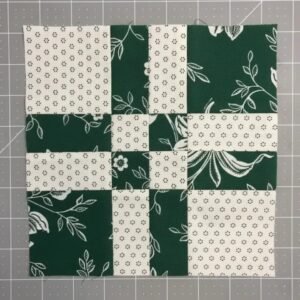
What Is the Disappearing Four Patch Quilt Pattern
The Disappearing Four Patch Quilt Pattern starts with a simple four-patch block made from four equally sized fabric squares. These squares are sewn together in a grid, creating a traditional block that many quilters already know. What makes this pattern unique is what happens next: the block is cut into sections and rearranged to create a completely new design.
This technique is called “disappearing” because the original four-patch block seems to vanish once the cuts and rearrangements are complete. Even though the foundation is simple, the final appearance often looks complex and layered, making it ideal for quilters who want impressive results without complicated piecing.
Another appealing aspect of the Disappearing Four Patch Quilt Pattern is its flexibility. You can vary the size of the original block, the placement of cuts, and the way pieces are rotated. Each small change results in a different visual effect, allowing for endless creativity within a structured process.
The pattern also works beautifully with scraps, pre-cut fabrics, or coordinated bundles. This makes it economical and sustainable, which is increasingly important in modern quilting. Many quilters use this technique to give new life to leftover fabric pieces.
Because the steps are logical and repeatable, the Disappearing Four Patch Quilt Pattern is often recommended for beginners. At the same time, advanced quilters enjoy pushing the technique further by adding borders, sashing, or combining multiple variations in one quilt.
Overall, this pattern is a perfect example of how quilting can be both accessible and artistic, making it a staple in many quilters’ pattern collections.
Materials and Fabric Choices for the Disappearing Four Patch Quilt Pattern
Choosing the right materials is essential for success with the Disappearing Four Patch Quilt Pattern. The most important element is fabric selection, as contrast plays a major role in how the final design appears. High-contrast fabrics make the pattern more dramatic, while subtle contrasts create a softer, blended look.
Cotton quilting fabric is the most commonly used material for this pattern because it is easy to cut, sew, and press. Consistent fabric weight ensures that seams align properly after cutting and rearranging. Pre-washed fabric can help prevent shrinkage later, especially if the quilt will be washed frequently.
Color placement is another critical factor in the Disappearing Four Patch Quilt Pattern. Typically, quilters use two or four different fabrics in the original block. Placing light and dark fabrics diagonally or opposite each other often produces striking geometric effects once the block disappears.
In addition to fabric, accurate cutting tools are essential. A sharp rotary cutter, a clear quilting ruler, and a self-healing cutting mat help ensure clean, precise cuts. Since the pattern relies on cutting finished blocks, accuracy directly affects how well the pieces fit together afterward.
Thread choice should complement the fabric colors without drawing attention to the seams. Neutral thread colors are often preferred, as they blend into both light and dark fabrics. Consistent seam allowance is also crucial for maintaining symmetry throughout the quilt.
Finally, pressing tools such as a reliable iron and pressing surface play an important role. Pressing seams carefully after each step helps maintain flat blocks and clean lines, which enhances the overall look of the Disappearing Four Patch Quilt Pattern.
Step-by-Step Construction of the Disappearing Four Patch Quilt Pattern
The construction process of the Disappearing Four Patch Quilt Pattern begins with sewing four equal squares into a traditional four-patch block. This foundational step sets the stage for everything that follows, so careful alignment and consistent seam allowances are important.
Once the four-patch block is complete, it is pressed flat before cutting. Pressing at this stage helps stabilize the block and ensures that measurements remain accurate. The block is then cut into smaller sections, usually into four equal parts, although variations exist.
After cutting, the pieces are rearranged by rotating or flipping them into a new configuration. This is where the “disappearing” effect truly happens. The original four-patch layout is no longer visible, replaced by a more complex and dynamic design.
Each rearranged unit is then sewn back together, forming a new block. At this stage, quilters can experiment with orientation, creating different visual patterns simply by rotating blocks before joining them into rows.
The Disappearing Four Patch Quilt Pattern allows for repetition and consistency, making it easy to produce multiple blocks that work together harmoniously. This repetition also helps build confidence, especially for beginners who benefit from practicing the same steps multiple times.
Once all blocks are completed, they are assembled into a quilt top. Borders and backing can be added according to personal preference, completing the quilt and showcasing the unique beauty of the disappearing technique.
Design Variations and Creative Possibilities
One of the greatest strengths of the Disappearing Four Patch Quilt Pattern is its adaptability. By adjusting fabric choices, cut sizes, and block orientation, quilters can create countless design variations from the same basic method.
Using bold colors and strong contrasts results in quilts with sharp, modern aesthetics. On the other hand, choosing soft tones or prints creates a more traditional or cozy appearance. This versatility makes the pattern suitable for many styles and occasions.
Scale also plays an important role in design. Larger starting blocks lead to bold, graphic quilts, while smaller blocks produce intricate, detailed patterns. Quilters can mix block sizes within one quilt for an even more dynamic effect.
Adding sashing or borders between blocks can enhance the overall design of a Disappearing Four Patch Quilt Pattern. These elements help frame each block and can provide visual rest between complex shapes.
Some quilters incorporate additional techniques such as quilting motifs, applique, or textured stitching to further personalize their quilts. These details add depth and character without changing the fundamental structure of the pattern.
Because of its flexibility, the Disappearing Four Patch Quilt Pattern is often used for gifts, home décor, and seasonal projects. Its adaptability ensures that no two quilts ever look exactly the same.
FAQ About the Disappearing Four Patch Quilt Pattern
What skill level is required for the Disappearing Four Patch Quilt Pattern
The Disappearing Four Patch Quilt Pattern is suitable for beginners, but it also offers enough complexity to interest experienced quilters. The basic steps are easy to follow, making it a great learning project.
How much fabric do I need for a Disappearing Four Patch Quilt Pattern
Fabric requirements depend on the quilt size and block dimensions. Generally, the pattern is fabric-efficient and works well with scraps or pre-cut squares.
Can I use prints instead of solid fabrics
Yes, prints can be used successfully. However, choosing prints with clear contrast helps maintain the visual impact of the Disappearing Four Patch Quilt Pattern.
Why do my blocks not line up after cutting
Misalignment often occurs due to inconsistent seam allowances or inaccurate cutting. Pressing carefully and measuring precisely can help avoid this issue.
Is the Disappearing Four Patch Quilt Pattern suitable for modern quilts
Absolutely. With the right color palette and layout, this pattern fits beautifully into modern quilting styles.
Can I resize the Disappearing Four Patch Quilt Pattern
Yes, the pattern is easily scalable. Adjusting the size of the initial four-patch block allows you to create quilts of various dimensions.
Video Tutorial
The Disappearing Four Patch Quilt Pattern is a timeless and versatile technique that transforms simplicity into visual complexity. Throughout this article, you learned what the pattern is, how to choose materials, how to construct the blocks step by step, and how to explore creative design variations. By understanding these elements, you can confidently create quilts that are both beautiful and meaningful.
This pattern proves that quilting does not have to be complicated to be impressive. With thoughtful fabric choices, careful cutting, and a bit of creativity, the Disappearing Four Patch Quilt Pattern can become a favorite technique in your quilting journey. Feel free to share your honest opinion about this guide and leave suggestions or ideas based on your own quilting experience. Your feedback helps inspire future creative discussions and improvements.