
Mitered Granny Squares Crochet is one of the most versatile and visually striking techniques in the world of crochet. This approach takes the traditional granny square pattern and gives it a fresh, modern twist by working the stitches diagonally from one corner. As a result, crafters can create bold geometric designs, striking color combinations, and perfectly aligned patterns that are ideal for blankets, bags, garments, and decorative items. Whether you are a beginner or an advanced crocheter, learning how to make mitered granny squares opens a door to endless creative possibilities and projects.
Unlike traditional squares that begin at the center and work outward in rounds, Mitered Granny Squares Crochet starts from a corner and builds up row by row. This technique allows for better control over the colorwork and stitch placement, making it easier to achieve sharp lines and shapes. In addition, the squares are typically made without turning the work in the round, which many crocheters find less confusing and more enjoyable. Because of its unique construction, the finished pieces have a clean, modern look that stands out from classic crochet styles.
Another benefit of Mitered Granny Squares Crochet is its adaptability. You can make the squares in any size you want simply by increasing or decreasing the number of rows. You can also play with textures, using different stitches, yarn weights, or even mixing fibers for a more interesting effect. This makes it a great option for stash-busting projects or for creating unique, personalized gifts. Once you master the basics, you will find countless ways to apply this technique to your crochet work.
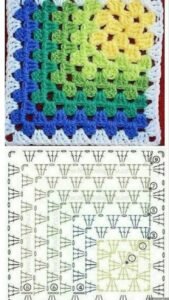
Understanding the Basics of Mitered Granny Squares
Learning the basics of Mitered Granny Squares Crochet is essential before starting your first project. This type of square usually starts with a foundation chain or a magic ring at one corner, and then stitches are worked across in rows rather than rounds. The decreases or increases at the edges form the characteristic mitered shape. Because you’re not working in a circle, you’ll find it easier to plan color changes and maintain straight edges.
When choosing yarn for your first mitered granny square, opt for a smooth, medium-weight yarn like worsted weight or DK. These yarns are easier to work with and help you clearly see your stitches. A corresponding crochet hook recommended on the yarn label will give you the best tension. If you’re using multiple colors, plan your palette in advance to achieve a cohesive look. Bright, contrasting shades can create a bold, modern square, while muted, tonal shades provide a soft and classic appearance.
The stitch pattern for a basic mitered granny square is usually a combination of double crochet clusters separated by chain stitches. As you progress from one corner, you’ll be adding new stitches along the edges and making decreases at the miter to shape the square. Once you’ve learned the pattern repeat, it becomes second nature, and you’ll be able to crochet squares quickly and consistently. These squares can then be joined together with slip stitches, single crochet, or sewn seams to create larger projects.
Choosing Yarn and Colors for Mitered Granny Squares
Selecting the right yarn and color combinations for Mitered Granny Squares Crochet can completely transform your finished project. One of the biggest advantages of this technique is how well it showcases colorwork. Because you’re working from the corner outward, each row or set of rows can feature a new color without awkward joins. This makes it ideal for gradient effects, stripes, or bold contrasts.
When it comes to yarn, natural fibers like cotton and wool create sturdy, breathable squares, while acrylic yarn is affordable, easy to wash, and comes in an endless array of colors. For baby blankets or garments, choose soft, hypoallergenic yarns. For decorative items, you might experiment with textured or specialty yarns to add depth to your design. Remember that consistent yarn weight is crucial for even squares and easy assembly later.
Plan your color scheme before you start crocheting. Use a color wheel to pick complementary or analogous shades for a harmonious look. Some crocheters prefer using leftover yarn from other projects, resulting in colorful, eclectic squares. Others stick to a limited palette for a cohesive aesthetic. Whichever route you choose, mitered granny squares provide the perfect canvas to showcase your creativity with colors.
As you crochet, keep your tension even to ensure all your squares are the same size. Uneven tension can cause squares to warp, making them harder to join. If necessary, block your squares after finishing them. Blocking helps to smooth out stitches, align edges, and give your work a professional finish. For projects like blankets or garments, this extra step makes a noticeable difference.
Experiment with different color placements. For example, use one color for the center rows and change to a contrasting shade for the outer rows to create a frame effect. Or alternate between two or three colors every few rows for stripes. You can even use self-striping yarn for a more effortless look. The beauty of Mitered Granny Squares Crochet lies in its adaptability to your creative vision.
Finally, don’t be afraid to mix and match your squares. Combine bold, colorful squares with neutral ones to balance your design. Play with layouts before joining them, arranging squares diagonally or in patterns to create unique visual effects. The possibilities are endless when you understand how to choose yarn and colors effectively.
Step-by-Step Guide to Crocheting a Mitered Granny Square
Crocheting your first mitered granny square may feel intimidating, but once you break it down into steps, it becomes easy. Start with a slip knot and chain a small foundation (usually 3–5 chains). Work a double crochet cluster into the first chain to form your starting corner. Chain two or three (depending on your pattern) to create the corner space, and then work another cluster. This forms the base of your square.
As you move to the next row, you’ll crochet into the chain spaces from the previous row, building your square diagonally. The corner spaces will always get an extra chain or cluster to maintain the mitered shape. This repetition makes it easy to memorize the pattern after a few squares. Remember to keep your edges straight by counting stitches at the end of each row.
Most patterns for Mitered Granny Squares Crochet include increases and decreases at the edges to create a clean diagonal line. Pay close attention to these points. A stitch marker can be helpful for keeping track of your center or corner space. Once you’ve reached the desired size, simply fasten off your yarn and weave in the ends with a tapestry needle.
Blocking your finished squares is an essential step for neat, uniform results. Lay your square flat on a blocking board, pin it to the correct dimensions, and lightly steam or spray with water. Allow it to dry completely before removing the pins. This ensures all your squares line up perfectly when you assemble them into a larger project.
If you’re new to this technique, start small. Make a set of coasters, dishcloths, or a pillow cover using just a few squares. This allows you to practice without committing to a large project. Once you’re comfortable, move on to bigger items like blankets or cardigans. The more squares you make, the faster and neater your work will become.
Don’t forget to enjoy the process. Part of the charm of Mitered Granny Squares Crochet is experimenting with colors and stitches. Over time, you’ll develop your own variations and patterns, making each square uniquely yours.
Creative Ways to Use Mitered Granny Squares
Once you’ve mastered the basics, there are countless ways to use mitered granny squares in your crochet projects. The most common application is blankets, where you join multiple squares together to form a stunning patchwork. Because the squares are worked diagonally, they create dynamic lines and patterns that add visual interest to the finished piece.
Another creative use is in garments. You can join mitered granny squares to make vests, cardigans, or ponchos. Their geometric shape gives clothing a trendy, handmade feel. Bags and totes are also popular projects. A few sturdy squares lined with fabric can turn into a beautiful, functional accessory.
Home décor is another area where mitered granny squares shine. Think of cushion covers, table runners, placemats, or even wall hangings. The bold angles and color contrasts work well in modern interiors, giving them a handmade yet contemporary touch. You can also create holiday decorations by using seasonal colors or incorporating festive motifs into your squares.
Mix and match techniques for a truly unique piece. For example, combine mitered granny squares with traditional granny squares in the same project for added texture. Or use different stitch patterns within each square to create a sampler-style blanket. The flexibility of this technique allows you to design something that perfectly fits your style.
Because mitered granny squares can be made in any size, they’re perfect for stash-busting. Use up leftover yarn by making a variety of squares, then join them into a colorful blanket or bag. This not only saves money but also reduces waste and creates a meaningful, eco-friendly project.
Finally, consider teaching others. Hosting a crochet workshop or gifting a set of squares to a friend can spread the joy of Mitered Granny Squares Crochet. Sharing your skills builds community and keeps this creative tradition alive.
FAQ About Mitered Granny Squares Crochet
Q: What is the difference between a mitered granny square and a traditional granny square?
A: A traditional granny square is worked in rounds from the center out, while a mitered granny square is worked diagonally from one corner. This creates a different visual effect and makes color changes easier.
Q: Do I need special tools or yarn for mitered granny squares?
A: No, you can use any standard crochet hook and yarn that suits your project. Medium-weight yarn is recommended for beginners.
Q: How do I join mitered granny squares together?
A: You can join them with slip stitches, single crochet, or by sewing them together with a tapestry needle. Choose the method that best suits your desired look.
Q: Can I mix mitered granny squares with other square types?
A: Yes, as long as the squares are the same size, you can mix different styles for a unique design.
Q: How do I keep my squares from curling or warping?
A: Consistent tension and blocking after finishing your squares help keep them flat and uniform.
Q: Are mitered granny squares good for beginners?
A: Yes, this technique is beginner-friendly. Once you learn the basic pattern, it becomes repetitive and easy to master.
Video Tutorial
Mitered Granny Squares Crochet is a fun, adaptable, and visually stunning technique that every crocheter should try. From blankets to garments to home décor, these squares offer endless creative possibilities and showcase colors beautifully. In this article, you’ve learned the basics, from choosing yarn to crocheting your first square and exploring creative uses for this pattern.
If you found this guide helpful, please share your honest opinion and suggestions. Your feedback helps improve future tutorials and inspires more creative crochet content.