
Crochet scrunchies have become one of the most charming and practical accessories for anyone who loves handmade fashion. These little hair ties combine functionality with a touch of nostalgia, bringing back the beloved retro style while adding a modern twist. By making your own crochet scrunchies, you can customize colors, textures, and sizes to perfectly match your outfits or gift them to friends. Because they are simple yet versatile, they’re also an excellent starting project for beginners learning crochet.
The popularity of crochet scrunchies has soared thanks to social media platforms where crafters showcase endless patterns and ideas. Unlike mass-produced hair ties, handmade scrunchies provide a unique touch and allow you to express your creativity. Plus, they are soft on the hair, reducing breakage and preventing the tension that regular elastics often cause. In other words, crochet scrunchies are not just stylish—they’re gentle and practical too.
Whether you’re a seasoned crocheter or completely new to the craft, crochet scrunchies offer a rewarding project that can be completed quickly and at a low cost. With just a small amount of yarn and a hook, you can create something fashionable and functional. In the next sections, we’ll explore how to make them, the best materials to use, styling tips, and why they’ve become a sustainable alternative to store-bought hair accessories.
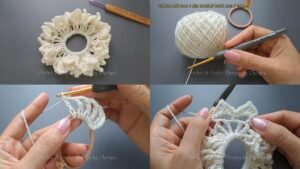
How to Make Crochet Scrunchies
Learning how to make crochet scrunchies is simpler than many people think, and it’s a project that allows for lots of customization. Start with a basic hair elastic as your foundation; this ensures the scrunchie stretches properly while keeping its shape. Using your chosen yarn, you’ll crochet stitches directly around the elastic, creating a ruffled effect. This technique works with a variety of stitches, from single crochets to more textured patterns, depending on the look you want.
When creating crochet scrunchies, it’s essential to select the right hook size for your yarn. A hook that’s too small will make the stitches tight and less elastic, while a larger hook will produce a softer, looser scrunchie. Beginners often start with medium-weight yarn and a 4mm or 5mm hook because it’s easy to handle and produces a satisfying result quickly.
Color selection is another fun part of the process. You can opt for solid shades for a classic look or experiment with variegated yarn for a playful effect. Some crafters even combine different yarn textures—like cotton with a hint of metallic thread—for a touch of sparkle. The beauty of making your own crochet scrunchies lies in this freedom to personalize.
If you want a fuller, puffier scrunchie, simply crochet more stitches around the elastic or use a bulkier yarn. Conversely, for a sleeker, more minimalist style, use fewer stitches and a lighter yarn. This flexibility makes crochet scrunchies suitable for every style preference.
Another tip for beginners is to practice tension control while crocheting around the elastic. Consistent tension helps ensure that the scrunchie stretches evenly and sits neatly when worn. Over time, you’ll develop a feel for how tight or loose your stitches should be.
Finally, don’t forget to weave in the yarn ends securely. Because scrunchies are constantly stretched, loose ends can unravel over time. A simple knot and careful weaving will keep your handmade crochet scrunchies looking beautiful and lasting longer.
Best Materials for Crochet Scrunchies
The materials you choose directly impact the look, feel, and durability of your crochet scrunchies. Cotton yarn is a popular choice because it’s soft, absorbent, and holds its shape well. It’s also gentle on the hair, making it ideal for everyday use. Cotton scrunchies can be machine washed, which is perfect if you plan to wear them during workouts or in humid weather.
Acrylic yarn, on the other hand, is lightweight, affordable, and comes in a wide range of colors. It’s great for experimenting with patterns and textures, especially if you’re making crochet scrunchies as gifts or for sale. However, acrylic may not be as breathable as cotton, so some people prefer it only for cooler seasons.
For a luxurious feel, consider using bamboo or silk blends. These materials are smooth and soft, reducing friction on the hair while adding a touch of elegance to your accessory. Crochet scrunchies made from these yarns can look especially sophisticated and are perfect for special occasions.
Elastic quality is equally important. Choose hair ties that are strong yet flexible, as they provide the base structure for your scrunchie. Thin, low-quality elastics may snap over time, while high-quality ones extend the life of your handmade accessory.
Another factor to think about is texture. Fluffy or boucle yarns can create a playful, voluminous effect, while smooth yarns result in a cleaner, more refined finish. By experimenting with different materials, you’ll discover which combinations work best for your desired style of crochet scrunchies.
Lastly, remember that sustainability matters. Using leftover yarn from other projects is an eco-friendly way to reduce waste and create unique, one-of-a-kind scrunchies. This not only saves money but also makes your accessories more meaningful.
Styling Ideas with Crochet Scrunchies
One of the biggest advantages of crochet scrunchies is their versatility in styling. They’re not limited to casual wear; you can easily incorporate them into professional outfits or even evening looks. For a classic ponytail, simply wrap your scrunchie around your hair two or three times. The ruffled texture adds instant charm and volume.
Messy buns become effortlessly chic when secured with a handmade scrunchie. Because crochet scrunchies are softer than regular elastics, they’re less likely to cause creases in your hair, making them perfect for daytime wear and later styling.
You can also wear crochet scrunchies as wrist accessories. Many people treat them like mini bracelets, adding a pop of color to their outfit even when they’re not in use. This makes them both practical and fashionable.
For children, bright and playful colors are a hit. Matching scrunchies with outfits or school uniforms can turn a simple hairstyle into something special. Adults, on the other hand, might prefer neutral tones or sophisticated yarn blends for a polished look.
Another creative idea is to layer multiple scrunchies together. This works particularly well with thinner scrunchies, creating a bold and unique statement. It’s an easy way to showcase your handmade collection of crochet scrunchies.
Finally, consider seasonal themes. Use red and green yarn for festive holiday scrunchies or pastel shades for spring. This way, your crochet scrunchies can become part of your personal style year-round.
Why Crochet Scrunchies Are Sustainable and Trendy
The rise of handmade accessories reflects a growing interest in sustainability and ethical fashion. Crochet scrunchies fit perfectly into this movement because they’re reusable, customizable, and made with minimal resources. Unlike mass-produced hair ties that often end up in landfills, handmade scrunchies can be repaired or repurposed.
Making your own crochet scrunchies also reduces your reliance on fast fashion. Instead of purchasing multiple low-quality hair ties, you can create durable, high-quality alternatives that last much longer. This approach saves money and promotes a slower, more mindful way of consuming fashion.
Another reason these accessories are trending is their nostalgic appeal. Many people associate scrunchies with the 80s and 90s, and crocheting them adds a fresh, handmade twist to the retro style. Social media has amplified this trend, with thousands of tutorials and inspiration posts showcasing endless possibilities.
Selling crochet scrunchies has also become a small business opportunity for many crafters. They’re quick to make, inexpensive in materials, and in high demand. Whether you sell them at craft fairs or online, they can become a profitable side hustle.
Moreover, these scrunchies make thoughtful gifts. Handmade accessories always carry a personal touch, and recipients appreciate the time and effort invested in creating something unique. This emotional connection adds even more value to your crochet scrunchies.
Finally, by choosing eco-friendly yarns or recycling old materials, you contribute to a more sustainable fashion industry. This simple accessory becomes a small but meaningful step toward conscious living.
FAQ About Crochet Scrunchies
What yarn is best for crochet scrunchies?
Cotton is a top choice because it’s soft, durable, and gentle on hair. However, acrylic and bamboo blends also work well depending on your desired texture and look.
How long does it take to make one crochet scrunchie?
Beginners can complete a basic scrunchie in about 30–60 minutes, while experienced crocheters may finish even faster.
Do crochet scrunchies stretch like regular hair ties?
Yes, because the elastic inside provides stretch. The crocheted layer adds style and comfort without compromising functionality.
Can I wash crochet scrunchies?
Most cotton and acrylic scrunchies are machine washable. Delicate yarns like silk or bamboo may require handwashing to maintain their quality.
Are crochet scrunchies good for all hair types?
Absolutely. They’re gentle on fine hair and strong enough to hold thicker hair, making them versatile for different styles and textures.
Can I sell crochet scrunchies I make?
Yes! Many crafters sell them online or at markets. Just ensure you use quality materials to create long-lasting, attractive scrunchies.
Crochet scrunchies are more than just a trend—they’re a blend of creativity, practicality, and sustainability. In this article, you learned how to make them, the best materials to choose, creative styling ideas, and why they’ve become such a popular accessory. Whether you’re crafting for personal use, gifts, or even a small business, these handmade scrunchies are a rewarding project for all skill levels.
We’d love to hear from you! Share your honest opinion about this guide and leave your suggestions on what you’d like to learn next about crochet and handmade accessories. Your feedback helps improve future articles and inspires new ideas.