
The Pumpkin Quilt Block Pattern is a timeless design that brings warmth, charm, and a seasonal touch to your quilting projects. Whether you are creating a cozy fall quilt, a table runner, or a wall hanging, this block captures the spirit of autumn and adds a festive accent to your home decor. Beginners and experienced quilters alike enjoy working with this pattern because of its versatility and creative potential. By incorporating the Pumpkin Quilt Block into your projects, you can celebrate the beauty of the harvest season with style and personality.
Quilters often appreciate how the Pumpkin Quilt Block Pattern combines simplicity with visual impact. With basic geometric shapes such as squares, rectangles, and triangles, the block is accessible to newcomers while still offering room for more advanced techniques. This balance makes it one of the most beloved seasonal quilt blocks. The pumpkin motif, with its round, plump appearance, is easy to recognize and highly adaptable to different fabric choices. From traditional orange pumpkins to modern color variations, the design can be personalized in countless ways.
When thinking about quilt projects for autumn, the Pumpkin Quilt Block naturally becomes a central idea. It symbolizes harvest, family gatherings, and the warmth of handmade creations. Adding this block to your quilt is more than just sewing fabric together—it’s about storytelling and creating pieces that will be cherished for years. By learning how to construct a Pumpkin Quilt Block Pattern, you open the door to seasonal creativity that resonates with tradition and personal style.
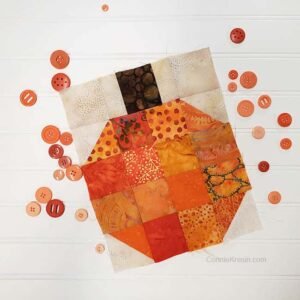
Understanding the Pumpkin Quilt Block Pattern
The Pumpkin Quilt Block Pattern is built on a straightforward structure, usually featuring squares and half-square triangles arranged to form the pumpkin’s body. The top part often includes a stem, which can be pieced using rectangles or appliqué for added detail. This basic composition makes it an excellent choice for quilters who want to practice precision without overwhelming complexity.
One of the key advantages of this pattern is its adaptability. While orange fabric is the traditional choice to represent pumpkins, many quilters enjoy experimenting with alternative colors. A white pumpkin design brings a farmhouse look, while vibrant prints can create a whimsical style. The stem and background fabrics provide even more creative opportunities for contrast and balance.
The block size can also be customized. Smaller blocks are ideal for table runners or cushion covers, while larger blocks can be the focal point of an entire quilt top. By adjusting the size, quilters can adapt the Pumpkin Quilt Block to fit their specific project needs without compromising the design’s integrity.
Another feature that makes this pattern approachable is the minimal number of seams. Fewer seams mean easier alignment and a smoother quilting experience, especially for beginners. With careful pressing and accurate cutting, even novice quilters can achieve a neat and polished block.
For those who prefer to add texture, embellishments such as embroidery or decorative stitching can enhance the pumpkin’s look. A few stitched lines can mimic the natural ridges of a pumpkin, adding depth and realism. This small detail can elevate a simple block into a standout piece within a quilt.
Ultimately, the Pumpkin Quilt Block Pattern is not just about sewing fabric pieces together—it’s about expressing creativity through a seasonal theme. The design provides the foundation, but it’s the quilter’s fabric choices, layout, and finishing touches that bring the block to life.
Materials and Tools Needed
Creating a Pumpkin Quilt Block requires only a few basic quilting supplies, making it an accessible project for all skill levels. The most important element is, of course, fabric. Choosing high-quality cotton fabrics ensures durability and ease of sewing. Many quilters prefer solid orange or pumpkin-colored prints, but as mentioned earlier, exploring different shades can result in a unique finished product.
In addition to fabric, you will need a rotary cutter, cutting mat, and quilting ruler for accurate measurements. Precision cutting is essential in piecing quilt blocks, and these tools help achieve crisp, clean edges that align perfectly when sewn together. A reliable sewing machine with a ¼-inch foot also makes the process smoother, ensuring consistent seam allowances.
Thread selection is another important consideration. Using a neutral thread blends well with most fabrics, but matching the thread color to the pumpkin or background fabric can provide an even cleaner look. Strong, high-quality thread ensures that your block will hold up to washing and long-term use.
Basic quilting notions such as pins, clips, and an iron are equally essential. Pinning helps secure fabric pieces in place, while pressing seams flat contributes to the overall precision of the block. An iron with steam capability can make pressing faster and more effective.
For quilters who enjoy adding detail, optional supplies like embroidery floss, appliqué scissors, or fabric markers can enhance the finished look of the Pumpkin Quilt Block Pattern. These extras are not mandatory but allow for additional customization and creativity.
By gathering the right tools and materials before starting, you set yourself up for a smoother quilting experience. Preparedness not only saves time but also reduces mistakes, making the entire process more enjoyable.
Step-by-Step Guide to Sewing the Pumpkin Quilt Block
To begin sewing the Pumpkin Quilt Block Pattern, start by cutting your fabric pieces according to the block size you want to create. Precision at this stage is crucial, as accurate cuts lead to easier piecing and better alignment.
The pumpkin’s body is usually constructed from squares and half-square triangles. Arrange the pieces on a flat surface to visualize the design before sewing. This step helps prevent mistakes and allows you to adjust fabric placement if needed.
Next, sew the smaller units together, typically beginning with the half-square triangles. Press the seams carefully after each step, ensuring they lie flat and reduce bulk. This habit improves the final appearance of the block.
Once the smaller units are complete, join them together to form rows. Then, sew the rows together to complete the pumpkin’s body. Take your time aligning seams for a clean finish. Accuracy here ensures that the block looks balanced and symmetrical.
The stem can be added using a small rectangle of brown or green fabric. Depending on the pattern variation, it may be pieced directly into the top row or appliquéd for added detail. Both methods create a charming effect, so choose the one that best matches your skill level and style.
Finally, add the background fabric around the pumpkin to complete the block. The background frames the pumpkin and enhances the overall design. Once finished, give the block a final press and admire your creation. With these steps, your Pumpkin Quilt Block Pattern is ready to be incorporated into a larger project or displayed as a stand-alone piece.
Creative Ways to Use the Pumpkin Quilt Block
The Pumpkin Quilt Block is highly versatile and can be incorporated into a wide range of quilting projects. One of the most popular uses is within a seasonal quilt, where multiple pumpkin blocks create a festive and cohesive design. Combining them with other autumn-themed blocks, such as leaves or acorns, enhances the seasonal atmosphere.
Smaller projects, like table runners or placemats, are also perfect for showcasing the Pumpkin Quilt Block Pattern. These functional items bring seasonal charm to everyday dining, making them ideal for holiday gatherings. Plus, they require fewer blocks, which is perfect for quilters with limited time.
Cushion covers and wall hangings are another excellent way to display this block. A single pumpkin design can become the centerpiece of your home decor during the fall months. These smaller projects also make thoughtful handmade gifts, adding a personal touch to seasonal celebrations.
For those who enjoy modern quilting, the Pumpkin Quilt Block can be reimagined with bold fabrics and unconventional color schemes. Instead of orange, try teal, purple, or patterned fabrics to create a contemporary look that still nods to the traditional pumpkin shape.
Another creative idea is to use the block in patchwork bags or pouches. A pumpkin motif on a tote bag or storage pouch adds a unique, festive flair. It’s a subtle way to celebrate autumn without committing to a full quilt.
Ultimately, the possibilities are endless. The Pumpkin Quilt Block Pattern provides a foundation that can be adapted to nearly any quilting project, allowing you to showcase your creativity and make pieces that reflect your personal style.
FAQ About the Pumpkin Quilt Block Pattern
What size should a Pumpkin Quilt Block be?
Pumpkin blocks can vary in size, but common measurements are 6 inches, 8 inches, or 12 inches. The size depends on your project and how many blocks you plan to use.
Can I make a Pumpkin Quilt Block without a sewing machine?
Yes, it is possible to hand-stitch a quilt block, though it requires more time and patience. A sewing machine provides consistency and speed, but hand stitching can add a personal touch.
What fabrics work best for the Pumpkin Quilt Block Pattern?
High-quality cotton quilting fabric is ideal. It is durable, easy to sew, and widely available in many colors and prints. Solid orange or autumn prints are traditional choices.
Is this block suitable for beginners?
Absolutely. The Pumpkin Quilt Block uses basic shapes and straightforward assembly, making it beginner-friendly while still offering creative opportunities.
Can I add details to the pumpkin design?
Yes. Embroidery, appliqué, or decorative stitching can be used to add texture and enhance the pumpkin’s appearance, making the block more unique.
How many blocks do I need for a full quilt?
The number of blocks depends on the size of your quilt. A lap quilt may need 12–16 blocks, while a bed-sized quilt could require 30 or more.
Pattern
The Pumpkin Quilt Block Pattern is a charming, versatile, and beginner-friendly design that brings the essence of autumn into your quilting projects. From simple table runners to full-sized quilts, this block allows quilters to explore creativity while celebrating the beauty of the season. With the right materials, tools, and a little patience, anyone can create a block that captures the festive spirit of pumpkins.
Now that you’ve learned how to make and use the Pumpkin Quilt Block, I would love to hear your thoughts. Share your honest opinion about this guide and let me know what projects you plan to try with this pattern. Your feedback and suggestions help inspire new ideas and future creations!