
The Chicago Geese Quilt Block Pattern is one of the most timeless designs in the quilting world, cherished by both beginners and advanced quilters. This block combines geometric beauty with historical significance, making it a favorite choice for quilts that tell a story. Whether you are learning how to sew your first quilt or planning a more advanced project, this pattern offers a creative challenge and a rewarding finish.
For centuries, quilting has been more than just sewing pieces of fabric together; it has been a way to preserve memories, celebrate traditions, and create art that lasts generations. The Chicago Geese Quilt Block is no exception. Known for its symmetrical design inspired by flying geese, this block represents direction, movement, and freedom. Its versatility makes it ideal for traditional quilts, wall hangings, or even modern interpretations.
Today, many quilting enthusiasts are turning to the Chicago Geese Quilt Block Pattern not only for its classic appeal but also because it allows personal customization. By selecting bold or subtle color schemes, quilters can create unique variations that stand out. Its adaptability and symbolic roots continue to make this block a central design in quilting projects around the world.
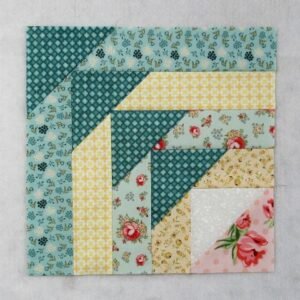
History and Origins of the Chicago Geese Quilt Block
The story of the Chicago Geese Quilt Block begins with the broader tradition of flying geese patterns in quilting. Historically, quilt blocks often carried symbolic meaning, and the flying geese motif was associated with migration, direction, and new journeys. As pioneers and settlers moved across the United States, patterns like this one became part of a cultural narrative that celebrated resilience and exploration.
One of the remarkable aspects of the Chicago Geese Quilt Block Pattern is how it blends local heritage with universal symbolism. Quilters in Chicago and surrounding areas popularized this design, and it eventually gained recognition far beyond its original community. By incorporating triangles arranged to resemble geese in flight, the pattern conveyed hope and progress, which resonated deeply with people of the time.
The block’s geometry makes it easy to replicate yet endlessly customizable. The repeated triangular shapes symbolize geese flying together in formation, representing teamwork, unity, and collective strength. In quilting history, such imagery was often used to tell stories or record personal and family experiences.
Another reason this block became so beloved is its ability to adapt to changing quilting styles. While it has strong ties to traditional quilting, modern quilters also appreciate its bold geometric look, which pairs well with contemporary fabrics and minimalistic aesthetics. The Chicago Geese Quilt Block thus bridges the gap between heritage and innovation.
The simplicity of its construction has also made it an accessible project for beginners, while still challenging enough for seasoned quilters to explore advanced techniques. Its ability to reflect both personal style and cultural identity is what ensures its continued relevance in quilting today.
Whether used in small wall pieces or full-sized bed quilts, this block continues to tell stories of journeys, both literal and metaphorical, connecting today’s quilters with the craft’s long and rich past.
Step-by-Step Guide to Making a Chicago Geese Quilt Block
Creating a Chicago Geese Quilt Block Pattern may look complex at first glance, but with the right approach, it becomes an enjoyable and rewarding project. The first step is selecting fabrics. Quilters often choose contrasting colors to highlight the geometric design, making the “geese” shapes stand out against the background.
Once fabrics are chosen, cutting is the next crucial step. Precision is important, as the block relies heavily on straight lines and exact triangles. Quilters typically use a rotary cutter and quilting ruler to achieve clean cuts. Each triangle should align properly to create the flying geese effect, ensuring the overall design maintains symmetry.
Sewing the pieces together requires careful attention to seam allowance. Standard quilting seam allowance is a quarter-inch, and maintaining consistency is key for the block to fit seamlessly with others in a quilt. Many quilters prefer chain piecing, which speeds up the process while keeping seams accurate.
Pressing seams as you go is equally important. This helps the block lay flat and ensures the final quilt has a professional look. Ironing seams open or to the side depends on personal preference, but consistency throughout the project is recommended.
After assembling the block, trimming may be necessary to ensure all sides are even. This step helps prepare the block for joining with others, preventing issues when creating the larger quilt top. Accuracy here makes the quilting process smoother and more enjoyable.
Finally, the block can be incorporated into a quilt design. Many quilters enjoy experimenting with different layouts—rotating blocks, alternating colors, or mixing the Chicago Geese Quilt Block with other traditional patterns to create a unique quilt top.
Creative Variations and Modern Adaptations
One of the most exciting aspects of the Chicago Geese Quilt Block Pattern is the creative freedom it allows. While the traditional block features simple triangles, quilters today experiment with bold fabrics, asymmetrical layouts, and even digital quilt design software to modernize the look.
Color plays a major role in transforming this block. A classic version may use earth tones or muted colors, but a modern quilt can burst with bright, contrasting shades that make the design pop. Using solids versus patterned fabrics also changes the overall effect, giving each quilt a different personality.
Another popular adaptation is scaling the block up or down. A larger block makes a dramatic centerpiece for a quilt, while smaller blocks can create intricate, detailed patterns when combined. Quilters may also combine different sizes within the same project to add depth and visual interest.
The Chicago Geese Quilt Block also works beautifully in minimalist quilts. By using a monochromatic palette or subtle gradients, quilters can highlight the clean geometry of the design, appealing to modern tastes while still honoring tradition.
Some artists go further, incorporating unconventional fabrics such as denim, linen, or even repurposed textiles to bring sustainability into their craft. This approach makes the block not only visually striking but also environmentally conscious.
In today’s quilting community, sharing and collaboration are also key. Online forums, quilting groups, and social media platforms have allowed quilters to showcase their unique versions of the Chicago Geese Quilt Block Pattern, inspiring others and keeping the tradition alive in new ways.
Tips and Best Practices for Success
Working with a Chicago Geese Quilt Block Pattern requires patience, practice, and precision. One of the best tips for beginners is to start small. Creating a single block as practice helps you perfect cutting and sewing techniques before moving on to a full quilt.
Always measure twice and cut once. Accuracy in cutting ensures that pieces fit together correctly, saving time and frustration later. Using high-quality tools, like a sharp rotary cutter and a reliable quilting ruler, makes this step easier and more enjoyable.
Consistent seam allowance is another essential practice. Many beginners struggle with uneven seams, which can distort the design. Practicing with scrap fabric can help build confidence and accuracy before working on the final quilt pieces.
Pressing seams carefully also makes a big difference. While it may seem like a small step, pressing improves the overall look and helps the block maintain its intended shape. A good iron and pressing surface are worthwhile investments for quilters of all levels.
Quilters should also remember that mistakes are part of the process. If a seam doesn’t align perfectly, it’s okay to use a seam ripper and try again. Over time, skills improve, and blocks become neater and more precise.
Finally, enjoy the journey. Quilting is not only about the finished project but also about the creativity, relaxation, and satisfaction that come with each step. The Chicago Geese Quilt Block Pattern is a beautiful way to build skills while creating something meaningful.
FAQ: Chicago Geese Quilt Block Pattern
What is the Chicago Geese Quilt Block Pattern?
It is a traditional quilt block inspired by the flying geese motif, featuring triangles arranged to represent geese in flight.
Is the Chicago Geese Quilt Block suitable for beginners?
Yes, this block is beginner-friendly, especially with careful cutting and seam allowance, but it also offers room for creative complexity.
What fabrics work best for this block?
Cotton quilting fabrics are most common, but many quilters experiment with linen, denim, or repurposed textiles for unique results.
How can I make my block look more modern?
Use bold colors, minimalist layouts, or unconventional fabrics. Adjusting block size also adds a contemporary twist.
Do I need special tools to make this block?
A rotary cutter, quilting ruler, and sewing machine are highly recommended for accuracy and ease, though it can be sewn by hand.
Can I combine the Chicago Geese block with other patterns?
Absolutely. Many quilters mix it with other traditional or modern blocks to create visually stunning quilt tops.
Pattern
The Chicago Geese Quilt Block Pattern is a timeless design that bridges history and creativity. From its symbolic origins to modern adaptations, this block offers endless opportunities for personalization and expression. With the right techniques, fabrics, and imagination, anyone can create a quilt that tells a story and reflects their unique style.
Now that you have learned about its history, construction, variations, and tips, I would love to hear your thoughts. Share your honest opinion and suggestions on how you would use the Chicago Geese Quilt Block Pattern in your own quilting projects.