
The Falling Star Quilt Pattern is a timeless design that continues to inspire quilters of all levels. From beginners searching for a manageable yet striking block to experienced crafters aiming to create heirloom-quality quilts, this pattern holds universal appeal. Its geometric shapes, balanced symmetry, and ability to play with colors make it a staple in quilting communities. By incorporating the Falling Star Quilt Block, quilters can achieve a dazzling design that appears intricate while still being approachable with patience and attention to detail.
One of the most appealing aspects of this quilt pattern is how versatile it can be. Depending on the fabrics, colors, and layouts chosen, a single quilt block can transform the entire look of the project. Whether you prefer bold and dramatic contrasts or soft and calming palettes, the Falling Star Quilt Pattern adapts beautifully. This flexibility is one of the reasons why it has become a favorite among modern and traditional quilters alike, seamlessly bridging different styles and preferences.
In addition to its visual beauty, the Falling Star Quilt Block is also a wonderful way to practice essential quilting techniques. Skills like precision cutting, accurate seam allowance, and mindful pressing are emphasized when working on this pattern. Because the block features star-shaped points and angular cuts, it challenges quilters to refine their craft without becoming overwhelming. This makes it an excellent teaching tool as well as a satisfying project to complete.
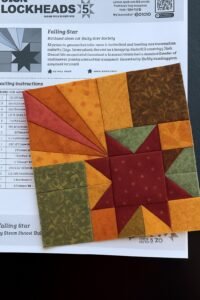
History and Meaning of the Falling Star Quilt Pattern
The Falling Star Quilt Pattern carries not only aesthetic beauty but also cultural significance. For centuries, star patterns in quilts have represented hope, guidance, and a connection to the night sky. Quilters often turned to stars as a source of inspiration, weaving their interpretations into fabric as a way of storytelling and preserving heritage. The Falling Star Quilt Block reflects that same symbolic tradition, combining artistry with personal meaning.
Many quilting historians suggest that star patterns gained popularity during the 19th century when pioneers and settlers often looked to the stars for direction. The Falling Star Quilt Pattern could be seen as a tribute to that sense of exploration and guidance, honoring both practicality and imagination. Today, many quilters still create these star blocks to symbolize new beginnings, journeys, and aspirations for loved ones.
Another fascinating aspect of this quilt block is its adaptability across different eras. Early versions often relied on scraps and recycled textiles, while today’s interpretations can incorporate high-quality cotton fabrics, batiks, or even digital prints. This evolution showcases the resilience of quilting traditions while leaving room for creative expression. The Falling Star Quilt Block embodies this balance, honoring tradition while encouraging innovation.
As quilting moved from necessity to art form, star quilts became a central part of exhibitions and competitions. The complexity of achieving sharp star points and balanced layouts made these quilts a measure of skill and dedication. In this sense, working on the Falling Star Quilt Pattern connects quilters not just to their craft but also to a wider community that values creativity, precision, and history.
For modern quilters, this design continues to serve as a bridge between generations. It allows makers to carry on family traditions, pass down skills, and create heirloom pieces that will last for decades. When working with the Falling Star Quilt Block, quilters are not only crafting fabric art but also participating in a shared narrative that spans centuries.
Finally, the symbolic meaning of the star is particularly comforting in today’s fast-paced world. By creating a quilt that features falling stars, many makers feel they are capturing a piece of tranquility and hope within their stitches. This emotional connection further enhances the appeal of the Falling Star Quilt Pattern, making it much more than just a series of geometric shapes.
How to Make a Falling Star Quilt Block
Creating a Falling Star Quilt Block is a rewarding process that combines precision with creativity. While it may appear complicated at first glance, breaking it down into smaller steps makes it manageable for quilters at different skill levels. The block usually involves triangles, squares, and rectangles arranged in a way that forms the starburst effect.
The first step is fabric selection. Choosing contrasting colors is essential to making the star design stand out. Many quilters prefer using a light background with darker or more vibrant star fabrics, though the opposite can create a stunning effect as well. Planning the palette before cutting ensures a harmonious final quilt that highlights the Falling Star Quilt Pattern beautifully.
Next comes the cutting process. Accurate cutting is crucial to ensure all pieces fit together seamlessly. Quilters often use rotary cutters and self-healing mats for precise lines. Templates or rulers can help maintain consistency, especially when working with multiple blocks. This stage is where attention to detail sets the foundation for sharp, clean star points.
Sewing the pieces together requires patience and accuracy. Working with a quarter-inch seam allowance is the standard in quilting, and pressing seams properly as you go prevents bulk and distortion. Chain piecing, where multiple pieces are sewn in a continuous line, can also save time while maintaining consistency. Every seam contributes to the crisp appearance of the Falling Star Quilt Block.
After assembling the star block, quilters often add borders or sashing to highlight the design. These additions not only frame the block but also help maintain its structure when combined with other blocks in a larger quilt. Creative border choices can enhance the overall theme, whether you’re aiming for a modern or vintage look.
Repeating the block multiple times creates the full Falling Star Quilt Pattern. Depending on the layout, the stars may appear scattered, aligned, or even rotated to create motion across the quilt top. Experimenting with placement allows quilters to personalize the design and make it unique to their vision.
Finally, once the quilt top is complete, layering with batting and backing fabric prepares it for quilting. Stitching in the ditch or using decorative quilting patterns can further enhance the star design. Binding finishes the quilt, securing the layers and giving the piece a polished edge that completes the entire project.
Tips for Success with the Falling Star Quilt Pattern
While working on the Falling Star Quilt Pattern, a few practical tips can make the process smoother and more enjoyable. First, always double-check measurements before cutting. A slight miscalculation can throw off the symmetry of the block, making it harder to align star points. Using high-quality cutting tools and rulers will reduce mistakes and improve precision.
Fabric choice plays a significant role in the overall effect. Quilters are encouraged to use a mix of solids and prints to add depth and interest. Too many busy patterns may overwhelm the design, while too many solids can appear flat. Balancing the two creates a dynamic quilt that showcases the beauty of the Falling Star Quilt Block.
Practice is also essential when aiming for perfect points. Star patterns often reveal even the smallest inconsistencies, so beginners should start with a test block before committing to a full quilt. This approach allows quilters to identify challenges and build confidence before working on the main project.
Another helpful strategy is to stay organized. Keeping pieces grouped and labeled prevents confusion during assembly. Many quilters use small trays or bags to separate components, which speeds up the sewing process and reduces the chance of mixing up fabrics. Organization ensures that each step contributes smoothly to the overall quilt.
When quilting the final layers, consider choosing stitching patterns that enhance the star shapes. Straight-line quilting can emphasize the geometry, while free-motion quilting can add movement and texture. Both approaches can elevate the final look of the Falling Star Quilt Pattern without overshadowing the block design.
Lastly, don’t forget the importance of patience and enjoyment. Quilting is both an art and a meditative practice. Taking time to enjoy each step—fabric selection, cutting, sewing, and finishing—ensures that the process is as rewarding as the finished quilt. This mindset makes the Falling Star Quilt Block not just a project, but an experience worth cherishing.
Creative Variations and Ideas
The Falling Star Quilt Pattern offers endless opportunities for customization. Quilters can experiment with different layouts, creating unique visual effects from the same basic block. Rotating blocks in alternating directions, for example, can add movement and flow, making the stars appear as if they are truly falling across the quilt.
Color gradients are another exciting way to modify the design. By arranging fabrics from dark to light, quilters can create a glowing effect that enhances the starburst illusion. This approach is especially striking in large quilts where the Falling Star Quilt Block repeats across the surface, giving the impression of a night sky filled with shifting stars.
Scrappy versions of this quilt are also popular. Using leftover fabrics not only makes the project budget-friendly but also adds charm and character. Each star tells its own story through the different prints and colors, creating a quilt that is both personal and sustainable.
Mini quilts are another creative option. Instead of making a full-sized quilt, some quilters choose to create wall hangings or table runners with the Falling Star Quilt Block. These smaller projects are quicker to complete and make wonderful gifts, showcasing the versatility of the pattern.
Adding appliqué or embroidery can further personalize the quilt. Simple stitches or decorative motifs placed around the stars enhance the design and give the quilt a handmade touch. This combination of patchwork and embellishment highlights the artistry behind the Falling Star Quilt Pattern.
Finally, experimenting with modern fabrics or unexpected palettes can transform the traditional star into a contemporary masterpiece. Bright neon fabrics, metallics, or monochromatic schemes breathe new life into this classic design, proving that the Falling Star Quilt Block remains as relevant today as it has ever been.
FAQ About the Falling Star Quilt Pattern
What is a Falling Star Quilt Block?
The Falling Star Quilt Block is a geometric design that creates a starburst effect, often used as the central motif in quilts.
Is the Falling Star Quilt Pattern suitable for beginners?
Yes, with patience and practice, beginners can successfully make this pattern. It’s an excellent way to learn precision cutting and sewing techniques.
What fabrics work best for this quilt pattern?
High-quality cotton fabrics are most common, but quilters can experiment with batiks, prints, and even modern digital fabrics for variety.
How many blocks are needed for a full quilt?
The number of Falling Star Quilt Blocks depends on the desired quilt size. A lap quilt may need fewer than a bed-sized quilt, which could require dozens of blocks.
Can I customize the layout of the blocks?
Absolutely. Rotating, scattering, or aligning the blocks differently can create unique effects and personalize the overall design.
What quilting techniques pair well with this pattern?
Straight-line quilting emphasizes the geometry, while free-motion designs add texture and movement to the star patterns.
Video Tutorial
The Falling Star Quilt Pattern is more than just a design—it is a meaningful, versatile, and inspiring project that connects quilters to tradition while allowing for modern creativity. From its symbolic history to its practical techniques and endless customization options, this pattern offers something valuable for every maker. Whether you are crafting a full-sized quilt or a small decorative project, the Falling Star Quilt Block provides the foundation for a stunning finished piece.
If you’ve enjoyed this article, I’d love to hear your sincere opinion and suggestions. Share your thoughts, experiences, and ideas so we can continue celebrating the art of quilting together.